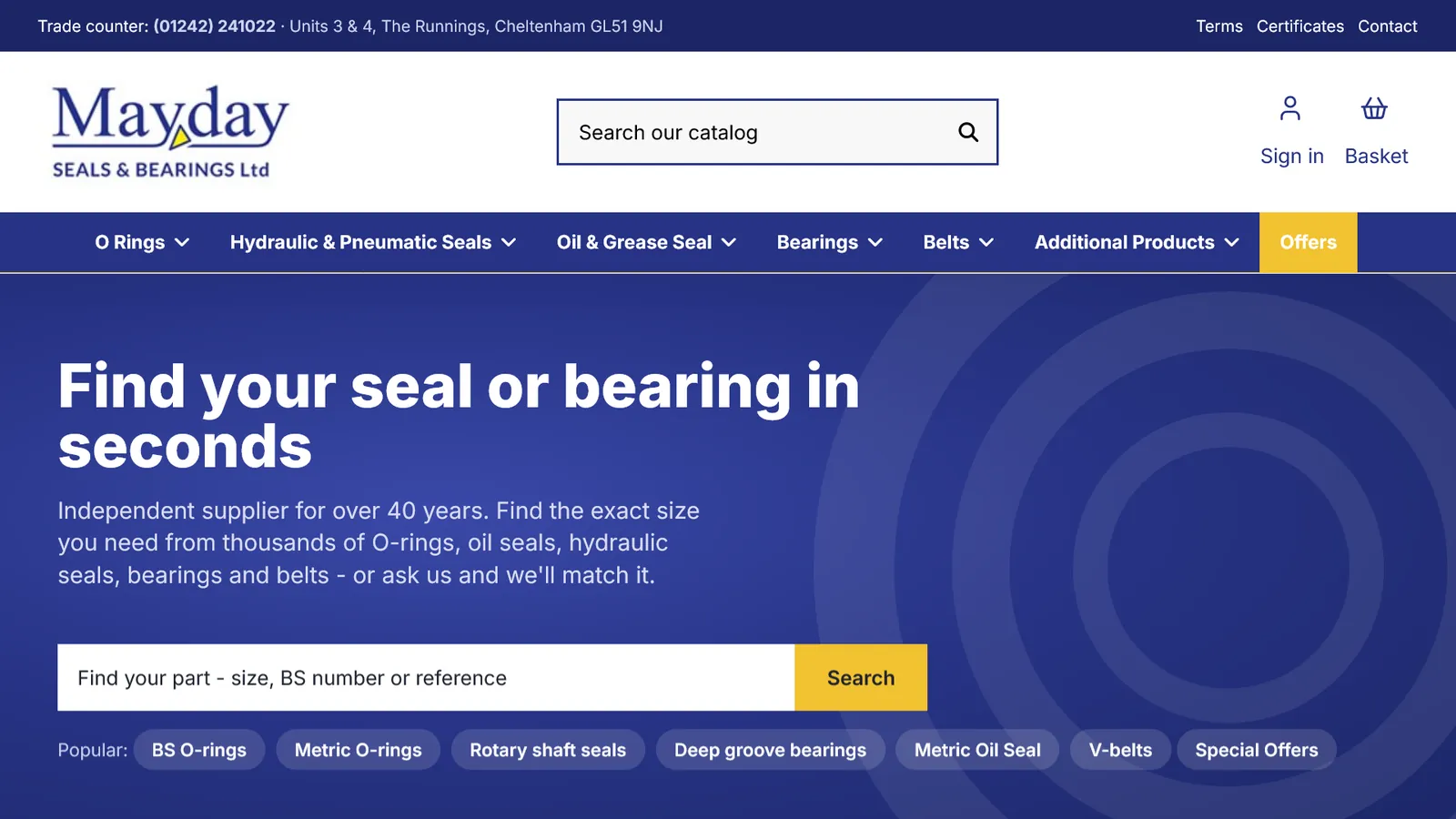
MayDay Seals are a Cheltenham supplier of industrial sealing and pneumatic control products, trading for forty years. We have looked after their PrestaShop installation since 2018, covering upgrades, hosting migrations, payment compliance, infrastructure improvements, a full rebuild and a redesign.
Starting with understanding, not rebuilding
A shop trading for decades needs understanding before any change is made.
Our work began with a written audit of the site and its search performance. A shop that has traded for decades has reasons for being the way it is, and the useful thing is to understand those reasons before changing anything. That approach has shaped everything since.
A hosting move done in days
A hosting move covers the site, the database and the email, and all three have to arrive together.
Early on we moved the entire installation, site, database and email, to new hosting within days. The old webmail stayed reachable during the changeover, so no message went astray while the addresses moved.
Upgrades rehearsed before they are run
Upgrades must be rehearsed so the live version is a known quantity rather than an experiment.
Later that year the shop needed a platform upgrade. The upgrade was rehearsed fully on staging, on our own server: the same process we now use for every client. The version that went live was a known quantity rather than an experiment, and the client had the downtime window in advance. That discipline now appears across several other clients. MayDay is where we began doing it.
Payment compliance handled properly
Compliance changes come with fixed dates, so the work is planned around them.
New authentication rules meant the payment gateway had to be replaced. We installed and tested the replacement module, and worked directly with the vendor support desk on the details until it was ready for live orders.
Alongside that, we confirmed the compliance dates and set up a second processor as a fallback, so payment never depended on one vendor and its timetable. Both were checked before anything went live.
A rebuild from the ground up
A rebuild is the one moment everything gets looked at afresh.
We later rebuilt the shop from the ground up. A rebuild is the one moment when everything gets looked at afresh, and we used it to review the pricing rules and carry across only the ones still in use.
When the traffic is not customers
Automated traffic costs the server what a customer would, but not all of it should be blocked.
A growing share of what arrives at any shop is now automated: crawlers gathering content for AI systems, scrapers taking product data, and bots testing whether anything is open. None of it buys anything, and all of it costs the server exactly what a customer would.
We put MayDay behind Cloudflare and tuned the rules rather than applying a blanket block. That distinction matters. Some automated traffic is worth having and some is pure cost, and a rule that stops all of it also stops the shop appearing where people are increasingly looking.
Alongside that, a registrar move was sequenced so DNS changes did not conflict, and renewals were placed on an automatic footing so quiet deadlines never become outages.
What long-term stewardship is worth
Long-term knowledge is what makes changes safe rather than disruptive.
The value of a relationship this long is not sentiment, it is knowledge. We know:
- why the shop is structured the way it is
- which price rule was added for which promotion
- how the hosting is set up
- which modules behave well under compliance deadlines
- how the last migration was sequenced
- where every customisation lives
None of that is written down anywhere else.
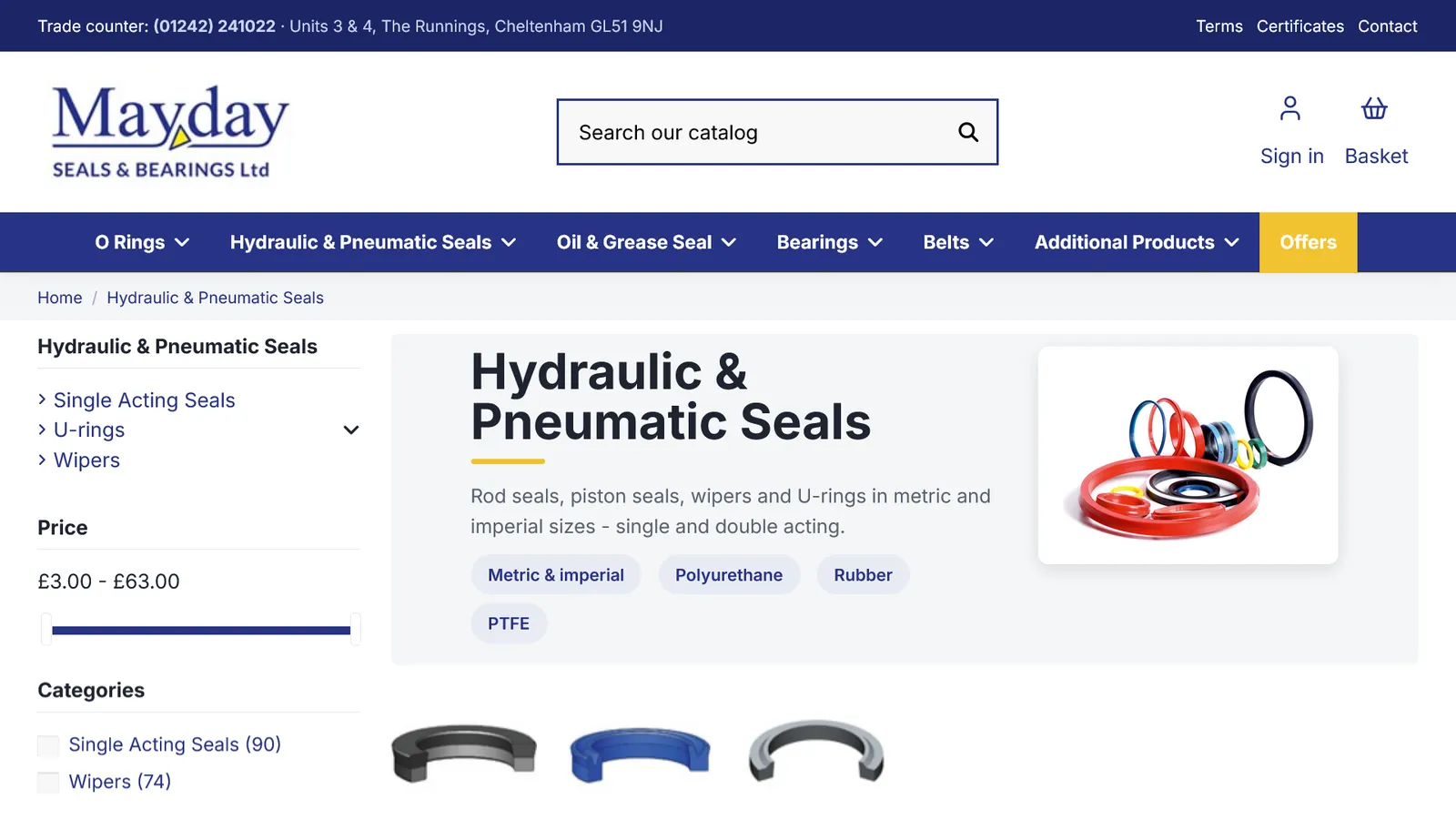
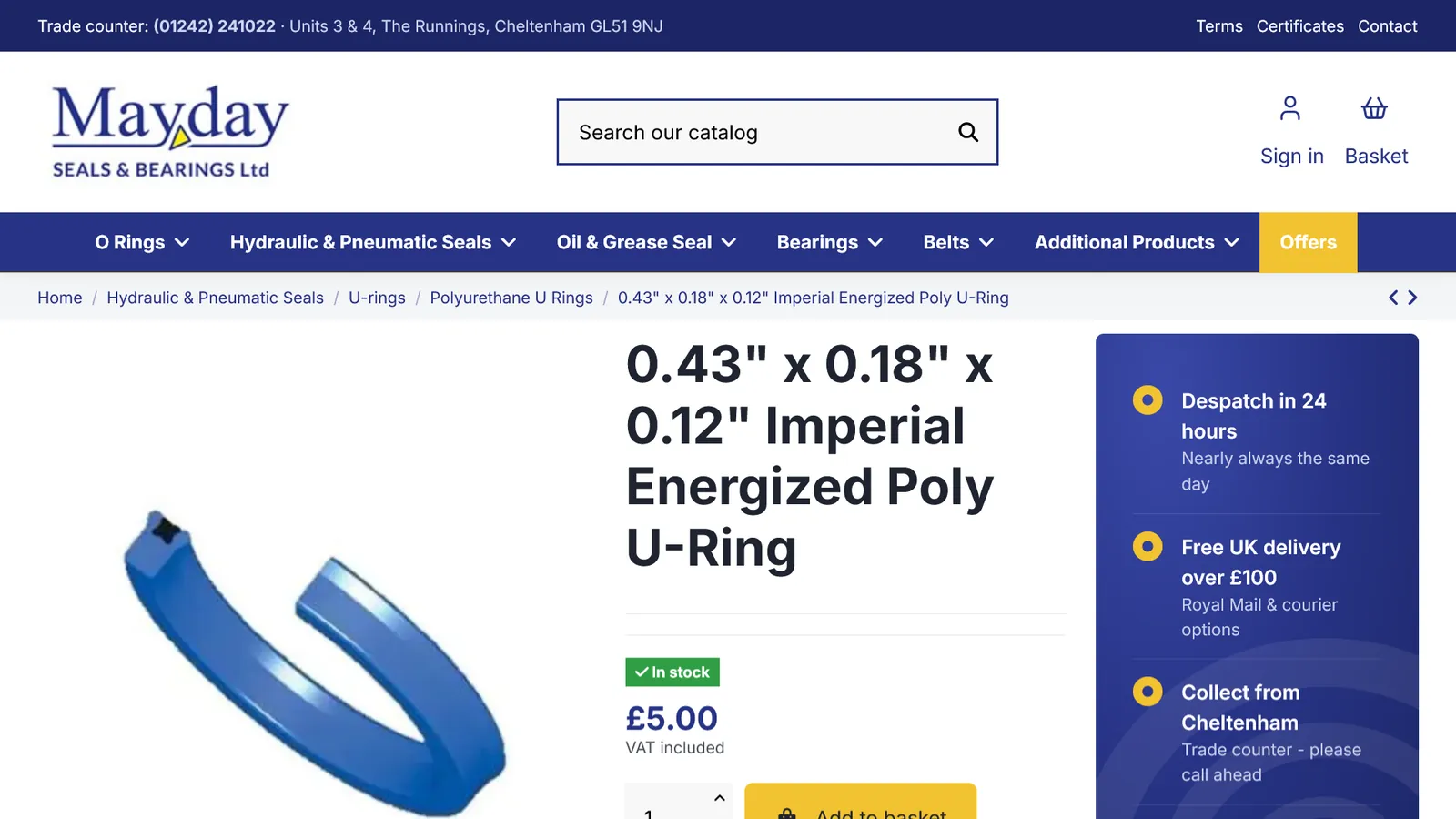
The redesign is now live. Everything above still holds. It simply has a new front.
Common questions
Can you move a shop, its database and its email together?
Yes. For MayDay we moved the site, the database and the email to new hosting within days, and kept the old webmail reachable during the changeover so no message went astray.
Can you rehearse upgrades safely before they go live?
Yes. The upgrade was rehearsed fully on staging, the same process we use for every client, so the live version was a known quantity rather than an experiment and the downtime window was agreed in advance.
How do you handle a payment compliance deadline?
By confirming the dates, installing and testing the replacement module well ahead of them, and setting up a second processor as a fallback so payment never depends on one vendor.
Can you rebuild a long-running shop without losing its history?
Yes. A rebuild is the moment everything gets looked at afresh. The pricing rules were reviewed, and the shop structure and data were carried across cleanly.
How do you manage automated traffic without blocking everything?
By tuning rules rather than applying a blanket block. Some automated traffic is worth having and some is pure cost; treating all of it the same stops the shop appearing where people increasingly look.
Can you manage registrar moves and DNS changes without outages?
Yes. Sequencing matters. The registrar move was timed so DNS changes did not conflict, renewals were placed on an automatic footing, and quiet deadlines never became outages.
What is the value of long-term stewardship?
Knowledge. Knowing why the shop is structured the way it is, which rule was added for which promotion, how the hosting is set up, and where every customisation lives. None of that is written down anywhere else.
If your shop has been running long enough that nobody remembers why parts of it are the way they are, a free audit is a reasonable place to start.
Start with the audit; it is the quickest way to see what is worth doing first.